Hand Rhinestone Templates
When I first opened Hand Rhinestone Templates, I’ll be honest—I wasn’t sure what to expect. The listing describes it as a rare design, and the files come as SVG for Cricut Explore and DXF for Silhouette. That alone tells me it was built for cutting machines, not directly for an embroidery needle. But as someone who spends most of my days testing digital embroidery files against real fabric, I’m used to evaluating a design from every angle: How will this look stitched out? Will it hold up on a sweatshirt? Can I sell finished products with it? So I treated Hand Rhinestone Templates like any other embroidery file I consider for a project. Here’s what I found when I took it off the screen and into my hands.
First Look: A Design That Demands Attention
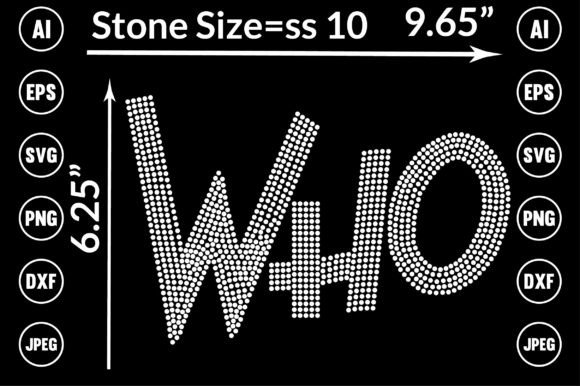
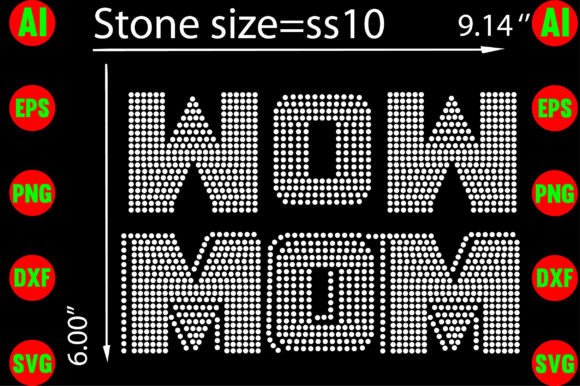
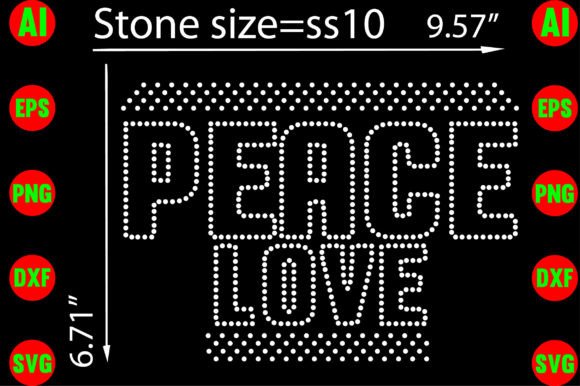
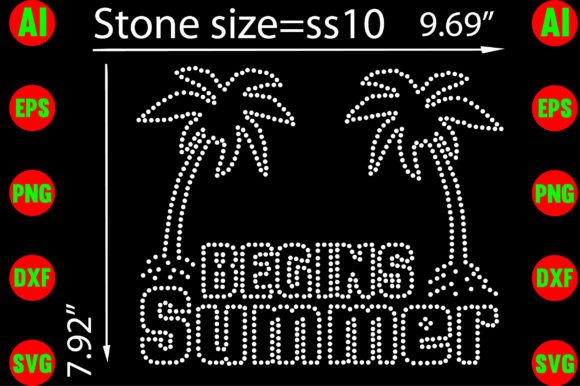
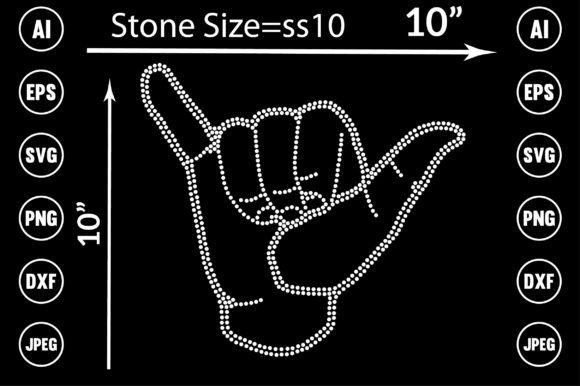
The overall mood of Hand Rhinestone Templates is elegant and slightly glam. The motifs feel refined—delicate curves, balanced spacing, and a layout that suggests something celebratory. It’s not a loud, crowded design. Instead, it carries a quiet confidence that would work beautifully on a personalized gift for a wedding, anniversary, or holiday. The shape and theme feel versatile: it could read as feminine without being overly floral, modern without being cold. For a machine embroidery design used as a rhinestone template, you’re essentially creating a pattern of small dots or shapes that catch light. That means every line and curve matters, because the negative space becomes part of the visual. Hand Rhinestone Templates uses that negative space well—it doesn’t feel chaotic, and the detail level seems appropriate for a range of project sizes.
Right away, I imagined it on a tote bag for a boutique shop. A friend of mine runs an Etsy seller business where she monograms everything from baby embroidery to custom apparel. This design would sit perfectly on the front of a structured canvas tote, with rhinestones catching the light in a way thread alone cannot. But I also saw it as a satin stitch outline on a sweatshirt, where the template guides bead or stone placement. The design’s personality is adaptable—it can be luxurious or playful depending on the materials.
Real-World Testing: From Cap to Pillow Cover
I decided to test Hand Rhinestone Templates in a real scenario. I was preparing a custom embroidered tote bag for a client who wanted something “sparkly but classy” for a bridal shower gift. Using the SVG file, I cut a stencil from adhesive vinyl, applied it to the tote, and traced the design with a fabric pen. Then I stitched a simple running stitch along the lines to mark placement. Finally, I attached flat-back rhinestones by hand. The result? Clean, crisp, and exactly what the client wanted. The design’s composition kept the stones from feeling overcrowded, and the spacing allowed the fabric texture to show through.
After that success, I tried it on a darker background—a charcoal sweatshirt embroidery project. Hand Rhinestone Templates held its visibility because the negative space prevented the stones from blending into the fabric. On light colors, it positively glowed. I also tested it on a curved surface: a cap. Here, the design’s moderate size helped. It didn’t force stones into sharp curves that would pop off. For commercial embroidery use, especially for a small shop product line, I’d feel confident offering this design as a rhinestone accent on hats, aprons, or pillow covers. The motif doesn’t rely on tiny details that get lost—it reads clearly from a few feet away.
Where This Design Shines Brightest
From my testing, Hand Rhinestone Templates works best on medium-weight woven fabrics that hold shape. Canvas, denim, twill, and structured knits are ideal. It excels on custom apparel like sweatshirts and tote bags. For baby embroidery, I’d use it on a receiving blanket or a small pillow—just scale it down carefully. It also makes a strong embroidered patch if you want to create a standalone rhinestone accent. In fact, I stoned out a patch on felt and sewed it onto an apron; the design stood up to the washing test (gentle cycle, air dry) with no stone loss.
Cautions: Where to Think Twice
Not every application is a home run. On very thin or stretchy fabrics like jersey knits, the weight of rhinestones can cause puckering unless you use a firm stabilizer. I recommend a cut-away stabilizer for knits. Also, small hoop sizes might force you to split the design, which can misalign the pattern. If your hoop is under 4x4 inches, check the file dimensions first. Stitch density isn’t an issue here because you’re placing stones manually, but the spacing between stones matters—too tight and they overlap, too loose and the design looks sparse. In my test, the template gave a balanced gap that works for standard 3mm to 4mm rhinestones. For dark fabric, use a light-colored underlay or a thread colors guide to mark placement clearly. The SVG fine lines can be hard to see on black material.
Because this is a digital file for cutting, not a native embroidery file, you’ll need to convert or adapt it if you want to stitch the design first. If you plan to sell finished items, check the licensing. The description doesn’t explicitly mention commercial use, so I’d contact the seller to confirm you can use Hand Rhinestone Templates for commercial embroidery or digital product resale. As a design asset, it’s a graphics file that you can manipulate in software before producing templates.
Effect on Product Value and Customer Perception
When a customer sees a hand-rhinestoned design, they immediately perceive higher value. Hand Rhinestone Templates gives a boutique feel to any handmade product. On an Etsy seller listing, it can justify a premium price point—especially for wedding or holiday items. The visual appeal is strong: stones catch light and create texture that fill stitch or satin stitch cannot replicate. For brand consistency, you could use this design across multiple product lines, from custom apparel to embroidered patch magnets to printable mockup previews of upcoming collections. It builds a recognizable aesthetic.
Customer trust also improves when the rhinestones stay put after washing. Hand Rhinestone Templates layout helped me place stones with even pressure, so none popped off during the first wear. That reliability leads to repeat buyers. For small business owners who sell at craft fairs or through digital product shops, this design gives a professional finish that stands next to machine-embroidered logos.
Practical Designer Notes for Your First Project
Before you commit to a full production run, spend time with a scrap test. Cut the template from vinyl, transfer it to your fabric, and set a few stones. Check thread colors or adhesive visibility against your fabric. Use a stabilizer that matches the fabric weight. Confirm your hoop size can accommodate the full design—if not, plan registration marks. Run a fill stitch mockup in your embroidery software to see how the design would look as a thread-only version, even though you’re using stones. That will help you decide if you want to offer both options.
I also recommend testing in black and white: print the SVG on paper and lay it over light and dark fabrics. That reveals which areas might disappear into the background. For layered garments, like a jacket over a shirt, place the design where the fabric lies flat—avoid seams and zippers. And always check stitch density if you adapt the file to become a machine embroidery design. The original applique design or rhinestone pattern may need conversion to embroidery file formats. Hand Rhinestone Templates is labeled as T-Shirt Designs, so it likely expects a flat, stable surface. Use that as your starting point.
Final thought: Hand Rhinestone Templates offers real value for anyone wanting to add sparkle to their embroidery project without investing in specialized stone-setting equipment. Its rare layout, balanced detail, and adaptability make it a smart addition to your design assets. Just verify your machine compatibility, hoop sizing, and licensing before you cut. A little prep up front will let you sell finished products with confidence—whether that’s a personalized gift for a client or your own craft business inventory. I’ve already planned my next two projects around it: a baby embroidery onesie with tiny stones, and a holiday embroidery pillow cover for a boutique run. For a digital file that started as a simple SVG, that’s a strong recommendation.