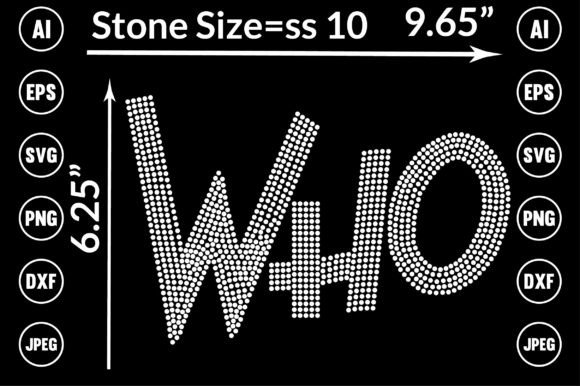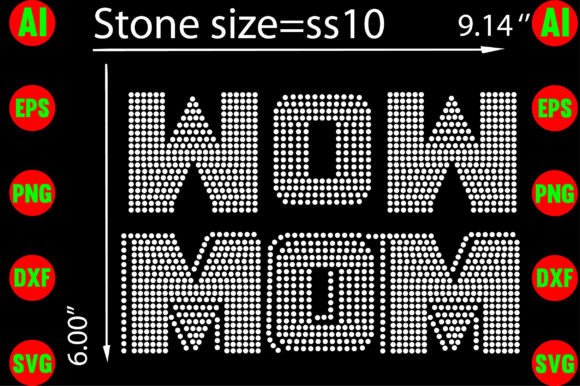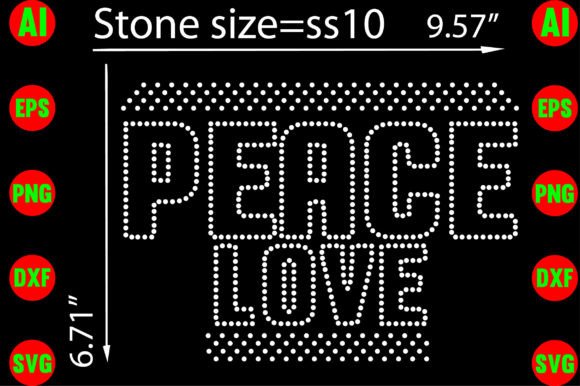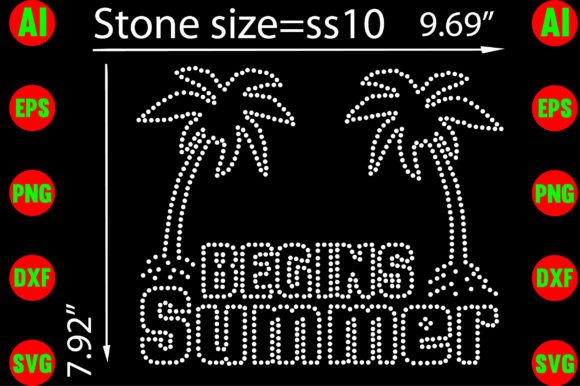
Rhinestone Templates for T-Shirt Graphics
When a client hands you a project brief that calls for sparkle, texture, and a handcrafted feel without the actual cost of rhinestone application, you need a design asset that delivers that illusion. As a graphic designer who spends most days moving between brand identity projects, product packaging, and print-on-demand t-shirt concepts, I review a lot of digital products. Rhinestone Templates arrived in my inbox as a zip file labeled with AI, EPS, SVG, and DXF formats at 300 dpi, and I immediately knew this was built for serious commercial use. Let me walk you through how this graphic design asset performed when I tested it for a real client project.
First Impressions and the Mood It Creates
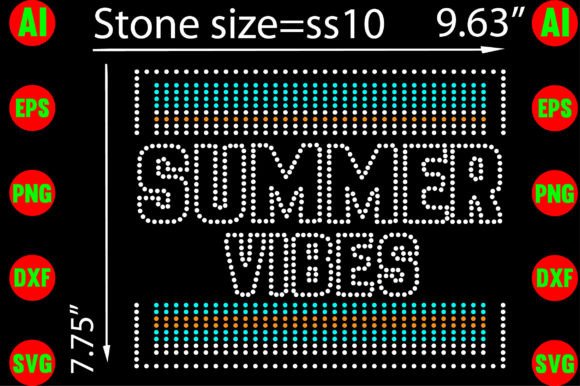
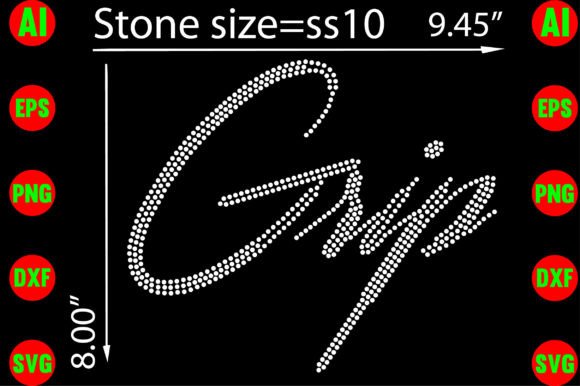
Unzipping the folder revealed a clean set of vector files with a distinct rhinestone texture effect. The visual style is unapologetically decorative—think glittering retro signage, western-inspired embellishments, and boutique apparel graphics. The mood is celebratory, bold, and slightly nostalgic. It recalls the rhinestone-studded t-shirt designs you see at music festivals, country-western boutiques, and handmade jewelry markets. This is not a subtle or minimalist asset. It announces itself with a light-catching sparkle that reads as premium and handmade. For a designer working on a small business branding project for a vintage-inspired boutique or a craft brewery needing a special-edition t-shirt line, this visual language communicates craftsmanship and attention to detail.
Framing the Review Around a Real Client Project
I recently took on a project for a local handmade soap company launching a limited-edition seasonal collection called "Desert Nights." The brand needed t-shirt designs, product labels, and social media graphics that evoked the feeling of vintage neon signs and rhinestone-studded western wear. Rhinestone Templates became the core visual element for the t-shirt design component. I used the SVG file to pull the rhinestone texture into Illustrator, layered it over a bold display font, and adjusted the opacity to create a glitter effect that worked both on screen and in print. The client wanted the t-shirts to feel elevated but still approachable, and this design asset delivered exactly that balance. It gave the project a cohesive decorative thread that tied the apparel to the packaging and digital ads.
Where Rhinestone Templates Excels in Real Design Work
In my testing across several common project types, this printable design shines brightest in specific use cases. For large layout areas, such as the center graphic on a t-shirt or the hero image on a product mockup, the rhinestone effect reads clearly and commands attention. When used on packaging design for small-batch products like lip balms, candles, or craft spirits, the texture adds a tactile sense of luxury without increasing production costs. The design also performs beautifully on social media graphics—especially Instagram posts and Pinterest pins—where the sparkle catches the eye in a crowded feed. For Cricut projects, the SVG and DXF files make it straightforward to cut vinyl for custom apparel or tote bags. Sticker designers will appreciate the transparent PNG availability, which allows the rhinestone effect to overlay any background seamlessly. In editorial design and blog visuals, it works as a decorative accent for headings or pull quotes in themed content like holiday gift guides or party invitations.
Where to Use This Asset with Caution
Not every project benefits from rhinestone-level embellishment. In my review, I found that Rhinestone Templates struggled in small sizes. When scaled down below two inches, the individual sparkle elements begin to blur together and lose their recognizable texture. If you are designing a business card or a small product label, this asset might read as muddied rather than detailed. Crowded layouts with multiple competing graphic elements also diminish the effect. The rhinestone pattern needs breathing room to register as deliberate decoration rather than visual noise. For minimalist branding projects, such as professional corporate materials or clean modern web design, this graphic design asset feels out of place. It works best in contexts where nostalgia, handmade quality, or festive energy is appropriate. Low-contrast backgrounds can also hide the sparkle; the rhinestone effect is most readable on dark or saturated backgrounds, so test it against lighter tones before committing.
How It Affects Readability, Hierarchy, and Brand Consistency
When I placed Rhinestone Templates over a typographic layout for a t-shirt design, the texture immediately drew the eye to the headline. This can be a powerful tool for establishing visual hierarchy, but only if you are intentional about the size and placement. The sparkle effect reduces the readability of small text, so I recommend reserving it for large display copy or decorative elements rather than body text. For brand consistency, the asset works best when used as a signature accent across a single collection rather than across an entire product line. The handmade, festive mood it creates can define a specific campaign or seasonal drop. In terms of emotional appeal, rhinestone textures evoke nostalgia and celebration, which translates to higher audience engagement in marketing visuals. Professionalism is maintained when the asset is used sparingly and layered with clean typography on a simple background. Overuse can make the design feel like a craft project rather than a commercial graphic design asset.
Practical Designer Notes Before Using Commercially
Before you add Rhinestone Templates to your next client project, run through a few checks. First, test the asset in black and white. This will reveal the value contrast and ensure the texture does not disappear when color is removed. I printed a sample on a laser printer and found the sparkle effect still legible on dark paper but nearly invisible on light stock. Second, preview it at both small and large sizes. The vector files scale cleanly, but the perceived texture changes dramatically. Place it on a real product mockup—a t-shirt mockup is ideal—to see how the rhinestone effect reads at actual print size. Next, inspect the file formats. The AI and EPS files open well in Illustrator with editable paths, and the SVG works for web use. The DXF is a nice inclusion for Cricut and Silhouette users. If you rely on PNG transparency, confirm that the background is truly transparent and that the file resolution holds up at 300 dpi. Finally, verify the commercial license. This zip folder contains high-resolution files labeled for instant download, but always read the licensing terms before using any creative design in client work or for print-on-demand products. I double-checked that the license covers commercial use and merchandise, which it does, but your specific marketplace may have additional requirements.
Comparing Rhinestone Templates with Other Typography and Decorative Styles
I tested this asset alongside several font families to understand its compatibility. Paired with a bold sans serif font like Montserrat or Bebas Neue, the rhinestone effect reads modern and punchy—perfect for a t-shirt design aimed at a younger audience. With a serif font like Playfair Display, the aesthetic shifts to vintage and sophisticated, ideal for wedding invitations or boutique branding. Script fonts create a romantic, handcrafted feel, but readability drops if the stroke weights are thin. Handwritten fonts work well for casual, artisanal projects. Display fonts with heavy weights hold the sparkle best. Avoid pairing it with very thin or delicate fonts, as the texture competes for attention and the overall design becomes hard to read. For sublimation designs, the high-resolution PNG files print cleanly onto polyester apparel. For Canva templates, you can upload the PNG as an overlay effect on text or shapes. The asset also works as clipart for sticker design or as an illustration element in larger compositions.
Final Judgment for Designers, Brand Owners, and Small Business Creators
Rhinestone Templates is a well-executed graphic design asset that fills a specific niche. It is not a one-size-fits-all solution, but for projects that call for sparkle, texture, and a handmade vibe, it performs reliably across multiple formats. As a designer, I appreciate the file variety and the commercial readiness. For brand owners and print-on-demand sellers, this asset can help your t-shirt designs stand out in a competitive marketplace. For Cricut users, the SVG and DXF files make cutting easy. The key is to use it with intention—on large areas, against dark backgrounds, and within themed campaigns. When you need a decorative element that signals quality and celebration without the production cost of actual rhinestones, this printable design deserves a place in your toolkit. Just remember to test it at every stage, respect the visual hierarchy, and confirm your licensing. With those precautions in place, Rhinestone Templates can elevate your next client project from ordinary to eye-catching.