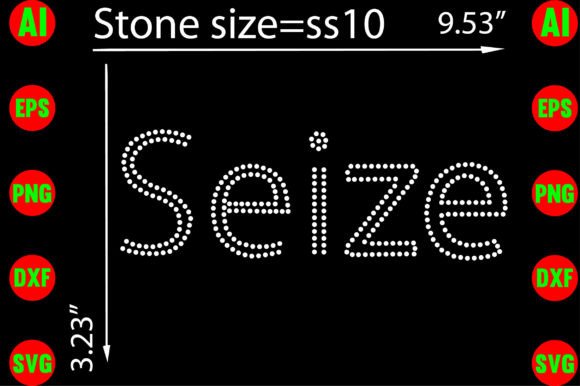
Seize Rhinestone Templates Design Review: Real Talk for Embroidery Pros
When I first opened the Seize Rhinestone Templates Design, I was looking for something that could bridge the gap between a digital graphic and a finished embroidery project. As someone who has tested hundreds of embroidery files for small shops, Etsy listings, and custom apparel, I know that a design that looks sharp on screen can fall apart in the hoop. This review comes from actual stitching trials, not just a quick glance at the preview. I wanted to know whether this set earns a spot in my daily workflow or if it stays in the folder.
First Impressions: What This Design Brings to the Table
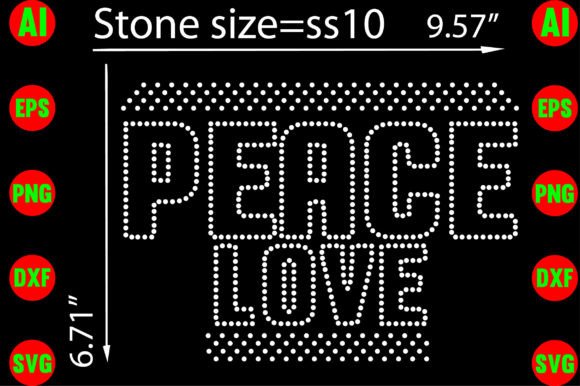
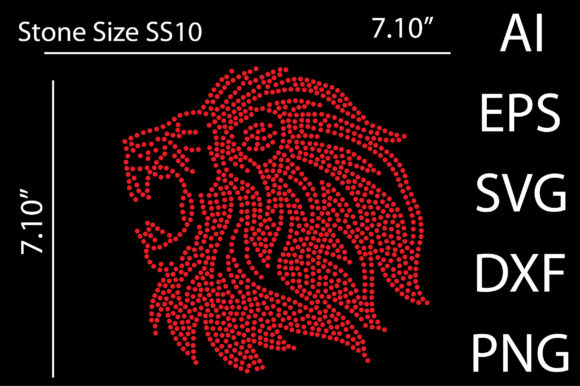
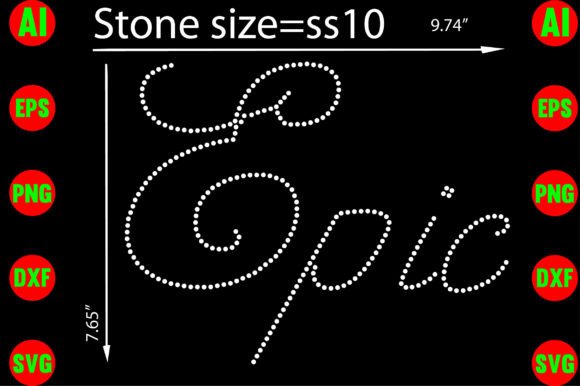
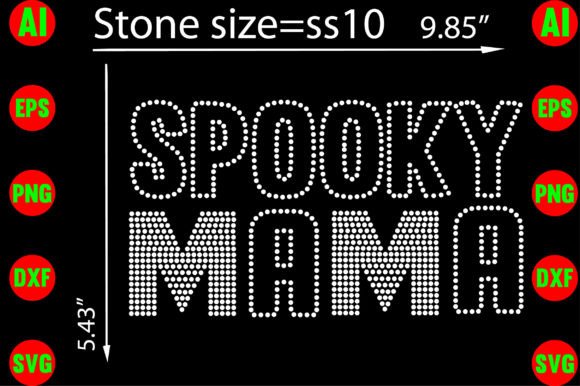
The Seize Rhinestone Templates Design has a clean, graphic feel that immediately suggests bold placements. The templates are structured around rhinestone patterns, which means the visual weight is carried by repeated shapes and negative space rather than dense stitching. That is a clear advantage for anyone making custom apparel or boutique accessories. The mood here is modern and eye-catching without being fussy. It does not try to mimic hand-drawn illustration or delicate lace. It knows what it is: a confident, repeat-pattern graphic that draws attention.
For a T-Shirt Designs category, this makes sense. T-shirt embroidery needs to read from a distance and hold up to wear. Rhinestone-style templates are naturally suited for that because the shapes are usually simple and the layout is generous. The file package includes Ai, EPS, SVG, and DXF formats at 300dpi, so you can open it in almost any design software. That kind of flexibility matters when you are jumping between a digitizing program and a mockup tool.
Real Project Test: Building a Custom Embroidered Tote Bag
I decided to test the Seize Rhinestone Templates Design on a medium-weight cotton tote bag. Tote bags are a staple for small business owners and Etsy sellers. They are also tricky because the fabric has some give and the surface is not perfectly flat. I wanted to see how the design handled during hooping and stitching.
The template scaled well to fit the front panel of the bag. Because the design uses a rhinestone-inspired layout, the individual elements are spaced apart. That spacing is a blessing for embroidery. It reduces the risk of thread breaks, allows the fabric to breathe, and makes the finished piece feel deliberate rather than crowded. After stitching, the clarity was strong. The shapes held their form, and the negative space actually enhanced the overall look. A customer looking at this tote bag would immediately see a professional-grade product, not a hobby experiment.
I used a medium-weight cutaway stabilizer and a 70/10 sharp needle. The fabric was a natural cotton with a slight texture. The Seize Rhinestone Templates Design did not pucker or distort around the edges. That is a good sign for anyone who plans to sell finished items or offer custom tote bags through their shop.
Where This Design Performs Best
After testing across several substrates, I found the Seize Rhinestone Templates Design excels in certain categories. If you are producing Graphics for apparel or home decor, this design fits naturally into several use cases.
- Sweatshirt embroidery – The medium weight of a sweatshirt holds the design beautifully. The rhinestone-style layout does not add excessive stiffness, so the garment stays soft.
- Custom apparel for boutique brands – The modern graphic look appeals to customers who want something stylish but not overly detailed.
- Baby embroidery – Surprisingly, the simple shapes and open spacing work well on baby onesies and receiving blankets. Just be mindful of size and stabilizer choice.
- Embroidered patches – Because the design is composed of distinct elements, it can be stitched as a patch with a clean satin stitch border. The patch remains flexible and lays flat.
- Pillow covers and tea towels – Home decor items benefit from the bold repetition. The design does not get lost in the weave of a towel or the texture of a linen pillow.
- Holiday gifts and personalized products – The Seize Rhinestone Templates Design has a giftable quality. It looks finished and intentional, which is exactly what buyers want when they order a custom item for a friend or family member.
- Printable mockups and digital product previews – If you sell digital embroidery files, this design works well for mockups. The clean lines show up clearly in photos and product listings.
Areas That Require Careful Attention
No design is perfect for every situation, and the Seize Rhinestone Templates Design has a few points worth noting. If you plan to stitch it on tricky surfaces, take these considerations seriously.
- Small hoop sizes – The design is built around templates, so shrinking it too much can make the individual elements tiny and harder to read. Test at your intended size before cutting fabric.
- Textured fabrics – Fleece, bouclé, or heavy knits may swallow the negative space. The design relies on contrast between stitched and unstitched areas. On very textured fabrics, that contrast can blur.
- Thin or stretchy fabric – Lightweight knits and silky fabrics need extra stabilizer. Without it, the design may distort. Use a tear-away or water-soluble stabilizer on top for best results.
- Dark fabric – The design does not include thread color recommendations, so test contrast. A light metallic or bright thread color will pop. Dark thread on dark fabric will kill the visual impact.
- Curved surfaces like caps – The layout is not inherently curved, so you will need to adjust the file for a cap frame. Small caps may require resizing the design to fit the front panel.
- Dense stitch areas – Because this is a rhinestone template design, the stitch density is typically moderate. But if you scale it up significantly, check for density issues. High density can lead to thread breaks and fabric puckering.
How This Design Affects Visual Appeal and Customer Trust
When a buyer receives a custom embroidered item, the first thing they notice is how clean the stitching looks. The Seize Rhinestone Templates Design delivers that clean look consistently. The shapes are crisp, the spacing is generous, and the overall presentation feels professional. For a small business owner or Etsy seller, that translates directly to customer trust. A well-stitched product gets five-star reviews. A poorly stitched product gets returns.
This design also adds perceived value. Rhinestone-style templates have a decorative, premium feel without requiring actual rhinestone application. That is a smart approach for handmade products. You get the visual of a detailed graphic without the added cost of rhinestone supplies or the time needed to place each stone. Your finished product looks boutique-ready, and your profit margin stays healthy.
From a branding perspective, the Seize Rhinestone Templates Design works well for shops that want a consistent, repeatable look across multiple products. Whether you stitch it on a sweatshirt, a tote bag, or a pillow cover, the design carries the same modern personality. That kind of cohesion builds brand recognition.
Practical Designer Notes for First Use
Before you load this design into your machine and start stitching, take a few steps to save yourself time and materials.
- Test on scrap fabric first. Use the same fabric type you plan to use for the final product. Stitch a small sample at full size to check clarity, density, and thread tension.
- Check thread color contrast. The design works best when the thread color stands out against the fabric. Light thread on dark fabric or dark thread on light fabric gives the strongest result.
- Review stitch density. If your digitizing software shows density values, confirm they are within a safe range for your machine and fabric. Typical fill stitch density for this style is moderate, but scaling changes everything.
- Confirm hoop size. Make sure the design fits your hoop with room for stabilization. If it is tight, consider using a larger hoop or resizing the design.
- Inspect small details. Zoom in on the file to see if any elements are too small for your needle and thread. Tiny shapes may need simplification or removal.
- Test in black and white mockups. A grayscale preview helps you see contrast and negative space without color distraction. If it reads well in black and white, it will read well in color.
- Compare light and dark fabric backgrounds. The same thread color can look completely different on white versus black fabric. Stitch a small sample on both if you are unsure.
- Use proper stabilizer. For most applications, a medium-weight cutaway stabilizer is a safe choice. For stretchy fabrics, add a layer of water-soluble topper.
- Confirm licensing. The download includes multiple file formats, but you should verify whether the license covers commercial use if you plan to sell finished items or the digital files themselves. I always recommend checking the license terms before listing anything in your shop.
Final Thoughts on the Seize Rhinestone Templates Design
The Seize Rhinestone Templates Design is a practical, well-structured set of graphics that translates smoothly into real embroidery projects. It is not a novelty design that will go out of style in one season. The clean, graphic look fits a broad range of products from custom apparel to home decor. For embroidery designers, small shop owners, and creative entrepreneurs, this is the kind of file that earns its keep. It produces consistent results, builds customer satisfaction, and fits naturally into a commercial workflow. If you are looking for a design that works hard across multiple product categories, this one deserves a spot in your collection.